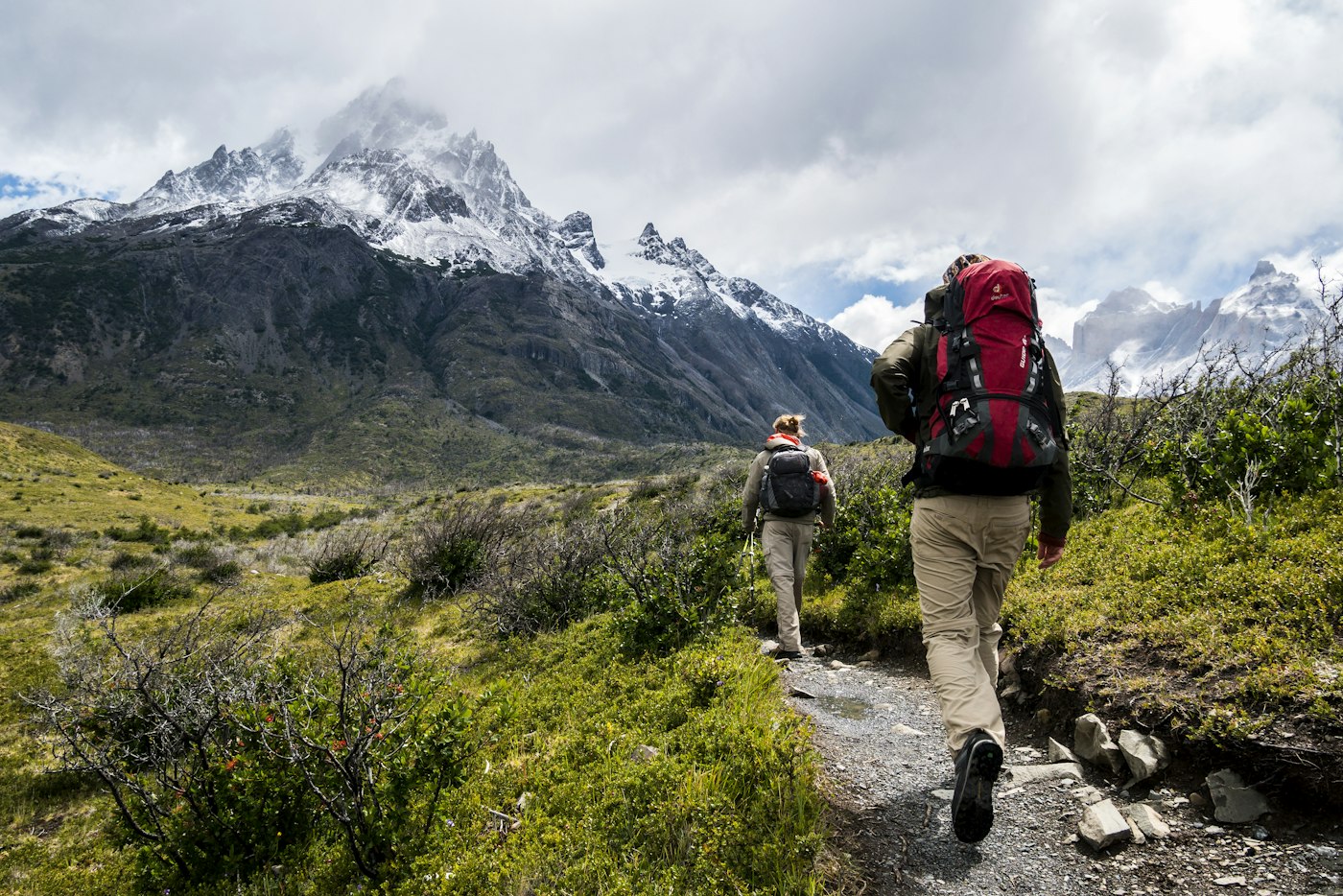
Trail Days, Rest Days and Live TV: How IPTV Fits the Coastal Hiking Lifestyle
Anyone who has walked a stretch of the East Coast Trail knows the rhythm of a long-distance hike: early starts, salt air, steep climbs, and evenings when your legs decide the day is officially over. But every thru-hike and every weekend on the cliffs also comes with something else — rest days, weather days, and long, quiet nights in a tent, hostel, or rental cabin.
That downtime is exactly where IPTV has quietly become part of the outdoor lifestyle. Instead of hunting for a cable box that doesn't exist in a remote coastal town, hikers are streaming live TV, match replays, and news bulletins over the same internet connection they already use for trail maps and weather forecasts.
This guide looks at what IPTV actually is, how it fits the hiking and slow-travel mindset, what the market looks like in Portugal — home to some of Europe's best coastal trails — and why sports fans in particular are turning to dedicated providers for buffer-free live action.
What Is IPTV and How Does It Change the Way You Watch TV?
IPTV stands for Internet Protocol Television. Rather than arriving via satellite dish or coaxial cable, the signal travels through your regular internet connection. To the viewer, it looks like a normal TV guide with channels, an EPG (electronic program guide), and on-demand libraries — but the delivery method is completely different.
IPTV vs. Traditional Cable and Satellite
- No hardware contract: no dish, no cable trench, no installer visit.
- Portable: the same subscription works on a phone in a hostel, a tablet in a camper van, or a smart TV in a rental cottage.
- Scalable: sports packages, international channels, and 4K streams can be bundled without extra boxes.
- Internet-dependent: stream quality is only as good as your connection — more on that below.
Why Bandwidth Matters for Outdoor Travellers
Hikers often stay in places where the Wi-Fi is an afterthought. A stable 10–25 Mbps connection is enough for full HD streaming; 4K needs considerably more. A simple habit used by long-distance walkers is to pre-download offline maps and check streaming quality on a phone hotspot before committing to a month-long subscription.
Key takeaway: IPTV is not about replacing the outdoors — it is about making rest days and rainy days on the trail feel a lot less like a compromise.
From the East Coast Trail to the Fishermen's Trail: How IPTV Enhances Outdoor Life
The connection between hiking and streaming is less strange than it sounds. Coastal walkers are, by nature, planners. They study tides, track opening dates, and map out resupply points months in advance. Streaming fits neatly into the same planning mindset.
Picture a typical rest day: laundry drying on a railing, boots airing out, and an evening with nothing more strenuous than a screen. For international walkers far from home, IPTV is how they catch the news in their own language, follow a favourite team, or simply unwind with a familiar channel. Travellers who want a deeper background on how the service works in Portugal can browse this IPTV Portugal overview before picking a package.
It also changes what "home" means. A hiker who spends three months between the East Coast Trail and the Rota Vicentina in Portugal doesn't need to give up their viewing routine — the same app follows them across borders, as long as local internet is decent.
- Rain days: a reliable backup when the trail closes.
- Language: home-country channels for expats and long-term travellers.
- Sports: a way to follow the season from anywhere with Wi-Fi.
For those comparing regional options, this breakdown of the best-rated IPTV services in Portugal is a useful starting point when planning a multi-month trip.
Deep Dive: The IPTV Landscape in Portugal
Portugal has become an unexpected reference point in the IPTV conversation, and there are good reasons why.
Infrastructure and Internet Quality
The country has invested heavily in fibre-to-the-home (FTTH), with coverage now extending well beyond Lisbon and Porto into smaller coastal towns and inland villages. Major operators — MEO, NOS, Vodafone and Nowo — offer high-speed packages, and mobile data coverage along popular walking routes is generally solid. For streamers, that means HD and 4K IPTV is realistic in far more places than most visitors expect.
Local Market and Legal Framework
Portugal's traditional pay-TV market is mature, but a growing number of residents and visitors use internet-based television for flexibility rather than price alone. On the legal side, the country follows EU copyright rules: services must hold the appropriate distribution rights, and enforcement against unlicensed operators has increased in recent years.
Practical rule: licensed providers publish clear terms, offer transparent billing, and don't promise "every channel in the world" for the price of a coffee. If an offer sounds impossible, it usually is.
Why Sports Fans Choose Dedicated IPTV for Live Action
If you ask hikers what they miss most when they're off-grid, the answer is rarely television in general — it's live sport. Football, in particular, is the emotional thread that connects the trail to home.

This is where a sports-first provider makes a visible difference. The service at ifsolutions.pt is built around live sports events: football leagues from across Europe, the Champions League, Ligue 1, Formula 1 race weekends, MMA cards, and the full Bein Sports style sports bouquet. For anyone who has tried to watch a match on a flaky hotel Wi-Fi connection, the priorities are obvious:
- Stability — buffering during a penalty shootout is unforgivable.
- Quality — FHD and 4K streams on supported devices.
- Speed of switching — fast zapping between matches and sports channels.
- Multi-device access — phone on the trail, TV at the cabin.
For hikers who plan their rest days around kick-off, iptv sport Portugal is the service most often recommended for sports-heavy viewing, precisely because the infrastructure is tuned for high-demand live events rather than generic channel lists.
Essential Hardware and Setup Guide for Hikers and Travellers
The good news: IPTV setups are light. Nothing here belongs in a 60-litre pack unless you're travelling long-term.
- A streaming device: a smart TV, Android box, Fire Stick, or simply your phone or laptop.
- A stable connection: accommodation Wi-Fi, a mobile hotspot, or a portable 4G/5G router.
- A player app: most providers supply an app or a playlist/M3U link for third-party players.
- A power bank: essential if you're streaming on a phone in a tent or van.
Setup takes minutes: install the app, log in with the credentials from your provider, load the EPG, and bookmark your favourite channels so you're not scrolling through hundreds of options at midnight. Walkers who want extra context on sports packages can check this guide to sports TV streaming setups, and those exploring broader digital TV streaming options will find plenty of practical comparison notes.
Pro tip: if you're crossing into Portugal for a long-distance route, read up on watching the Seleção Portuguesa live — national team fixtures are the one thing almost every sports fan on the trail wants to catch.
Legal vs. Illegal IPTV: Safety, Copyright and Best Practices
The IPTV market has a well-documented grey area. The technology itself is completely legal — it powers everything from BBC iPlayer to major broadcaster apps. The problem is providers who redistribute premium channels without licensing.
- Choose licensed providers that are transparent about what they offer.
- Avoid "lifetime" deals and prices that are obviously below market rate.
- Pay securely and keep records of your subscription.
- Respect local rules — rights vary between Portugal, the EU, and Canada.
One more streaming consideration: sports rights are frequently geo-restricted. A legitimate provider tells you which regions a package covers; an illegitimate one simply ignores the question.
Final Thoughts: Watch More, Walk Further
IPTV hasn't replaced the trail — it has filled the gaps around it. For coastal hikers, it means rest days with live football instead of silence, and a way to stay connected to home without hauling a satellite dish into the backcountry. Portugal, with its fibre network and world-class coastal routes, sits right at the centre of that shift.
If your priority is live sport in high definition with no buffering, start with a sports-focused provider, test the connection on your device, and keep your setup light. Everything else — the cliffs, the fog, the 20-kilometre days — stays exactly as it should be.
Frequently Asked Questions
Do I need fast internet for IPTV while hiking?
For HD streams, a stable 10–15 Mbps is usually enough. For 4K, aim for 25 Mbps or more. On the move, a 4G/5G hotspot works well in most coastal areas of Canada and Portugal.
Can I watch live football and Formula 1 on IPTV?
Yes — sports-focused providers build their packages around football, the Champions League, Ligue 1, F1, MMA and premium sports channels, typically in FHD or 4K where the source allows.
Is IPTV legal in Portugal?
IPTV as a technology is legal. What matters is whether the provider holds the distribution rights. Licensed services with transparent pricing and clear terms are the safe choice.
How many devices can I use at once?
It depends on the subscription tier. Most plans allow one to three simultaneous connections, which is more than enough for a hiker with a phone and a tablet.
Can I use IPTV on a phone or a smart TV?
Absolutely. Most services support Android, iOS, smart TVs, Fire Stick and desktop browsers, so the same subscription follows you from the tent to the cabin.
Explore Trail Guide All News